
Unique Roman discovery in Heerlen
During archaeological research on Raadhuisplein in Heerlen, an exceptional discovery was made: a lead tablet with a magic spell from Roman times. The object was found during excavations carried out in 2024 and 2025. These preceded the redevelopment of Raadhuisplein. The initial research results are now known.
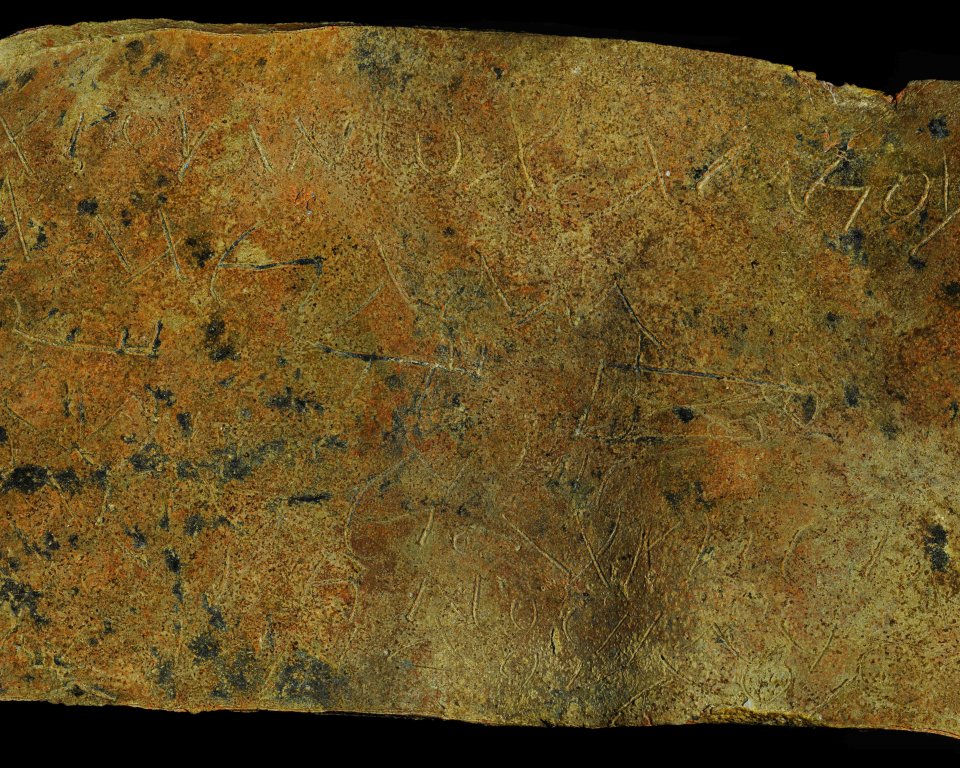
Rare find
The lead tablet is very special and belongs to the so-called defixiones (curse tablets). These are objects that were used in Roman times to influence or curse people with magical rituals. The tablet is made of lead and measures 9.3 centimeters in width, 4.8 centimeters in height, and 0.2 centimeters in thickness.
Dr. Rodney Ast and Dr. Julia Lougovaya-Ast from the Institute of Papyrology at Heidelberg University conducted the research. The tablet contains a magical text in Greek, consisting of invocations, small drawings, and a subsequent list of names. Based on the archaeological context, they date the find to the second century AD.
Cursing tablets are very rare in the Netherlands and Belgium. Examples with Greek text are even more exceptional. This makes this find unique in the region.
Temporarily visible to everyone
The find will be on display for one week next week in the public hall of the City Office in Heerlen. Visitors will have a unique opportunity to view this special object from Roman times up close. After this short exhibition, the tablet will be returned to the researchers for further specialist investigation.
Follow-up research
The lead tablet will be further analyzed in the coming months. Among other things, they will investigate the origin of the lead used. All research data will be carefully studied. The final conclusions about the text and the historical context will be published after completion of the entire research report.
More Roman finds on Raadhuisplein
Archaeological research on Raadhuisplein yielded several remarkable finds. These included the grave of a presumed Roman soldier named Faustus Valerius Flaccus, remains of wooden and stone buildings, Roman toilets, and a bronze furnace. References to these archaeological discoveries have been incorporated into the design of the renovated Raadhuisplein.